Malaikottai Temple Trichy: Complete Visitor's Guide to Rock Fort Temple
Introduction: Trichy's Iconic Malaikottai
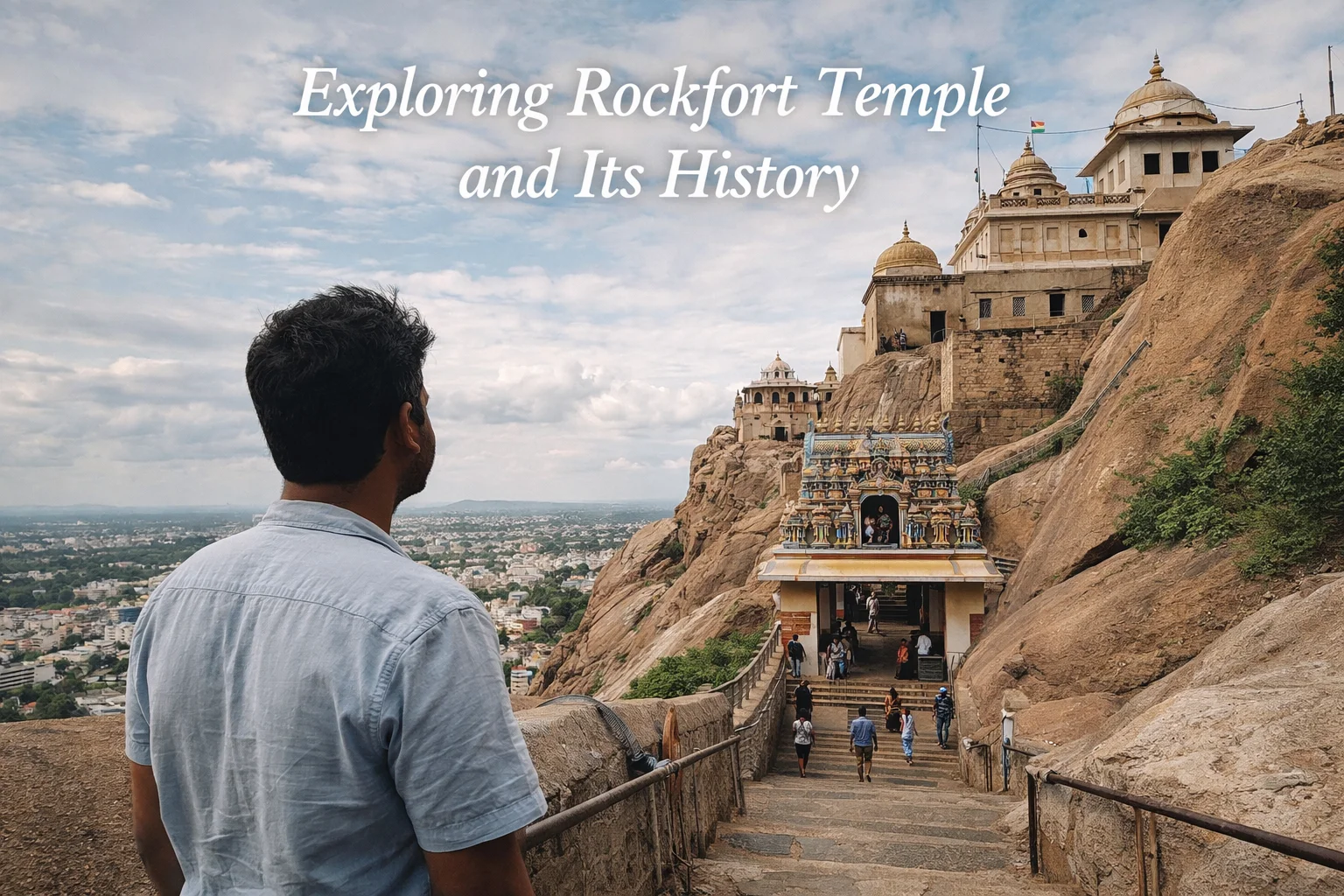
Malaikottai, known to many as the Rock Fort Temple, is not just Trichy's most recognizable landmark - it's the very symbol of our city's identity. Standing majestically at the heart of Tiruchirappalli, this ancient rock formation crowned with temples has witnessed centuries of history, from mighty empires to colonial rule to modern India.
I've climbed these 437 steps countless times since childhood - as a student running up with friends, as a young adult seeking peace in the summit temple, and now as a parent introducing my children to this magnificent heritage. Each visit reveals something new: the changing light on the city below, a stone inscription you'd never noticed before, or the serene face of an elderly devotee making the climb with remarkable determination.
This comprehensive guide shares everything you need to know about visiting Malaikottai - from its geological wonders and historical significance to practical tips for making your climb comfortable and memorable. Whether you're a first-time visitor, a devotee seeking blessings, or a history enthusiast, Malaikottai has something special to offer.
The Name "Malaikottai" - Origins and Meaning
"Malaikottai" is a Tamil term that beautifully captures the essence of this landmark. "Malai" means mountain or hill, and "Kottai" means fort. Together, Malaikottai literally translates to "Mountain Fort" or "Hill Fort."
The name is perfect in its simplicity - this is indeed a fort on a mountain. But there's more depth to it than the literal translation suggests. In Tamil culture, "Malai" also carries connotations of majesty and permanence. When Trichy locals say "Malaikottai," we're not just referring to a geographical feature; we're speaking of a cultural anchor that has defined our city for centuries.
Historical References and Local Names
Throughout history, this rock formation has been known by various names. Ancient Tamil literature refers to it as "Tiruchchirai," meaning "the sacred rock." In Sanskrit inscriptions, it's called "Trichirapuram" or "Trishirapuram," meaning "the city with the three-headed demon," referring to the legend of demon Trishira who was slain here.
The English name "Rock Fort" is a colonial-era term that stuck, though locals almost always use "Malaikottai." The Ucchi Pillayar Temple at the summit is sometimes used synonymously with Malaikottai, though technically, Malaikottai encompasses the entire rock complex including multiple temples and fortifications.
Geological and Historical Significance
One of Earth's Oldest Rock Formations
Here's something that never fails to amaze visitors: the rock on which Malaikottai stands is approximately 3.8 billion years old. Let that sink in - 3,800 million years! This makes it one of the oldest rock formations on Earth, predating even the appearance of complex life forms.
Geologically, it's composed of gneiss and granite, formed during the Archean Eon. The massive outcrop rises 272 feet (about 83 meters) above the surrounding plain, created by volcanic activity and subsequent erosion over millions of years. The rock's remarkable hardness and stability made it an ideal location for fortification and temple construction.
Standing atop Malaikottai, you're literally touching stone that existed when our planet was young. It's a humbling and awe-inspiring realization that connects us to the deep time of Earth's history.
Ancient Civilizations and Strategic Importance
While the rock itself is billions of years old, human habitation around it dates back at least 2,000 years. The Pallavas, who ruled parts of South India from the 3rd to 9th centuries, were among the first to recognize this rock's military potential. They established initial fortifications, though much of what we see today was built later.
The rock's strategic importance was obvious - its height provided a commanding view of the surrounding plains and the Kaveri River. Any approaching army could be spotted from miles away. The steep rock face made assault nearly impossible. A small garrison could defend it against much larger forces.
Throughout the medieval period, control of Malaikottai meant control of Trichy and, by extension, the fertile Kaveri delta. The Cholas, Pandyas, Vijayanagara Empire, Nayaks of Madurai, Marathas, Carnatic Nawabs, French, and British - all fought for possession of this strategic position.
Architecture and Structure
Main Entrance and Fortifications
Your journey to Malaikottai begins at the entrance near Teppakulam (the temple tank), in the heart of Trichy's old town. The approach itself is impressive - narrow streets filled with shops selling religious items, flowers, and local snacks lead to the main gate.
The entrance gateway is a study in military architecture. Massive stone walls several feet thick surround the base. The main gate, reinforced with iron plates, would have been sealed shut in times of siege. Notice the murder holes in the gateway ceiling - defenders would drop stones or pour hot oil on attackers attempting to breach the gate.
As you enter, you'll see the steep path ahead. The initial ascent is relatively gentle, passing through what were once military quarters and storage facilities. Stone steps, worn smooth by millions of feet over centuries, guide you upward.
The 437 Steps Journey
The climb to the summit involves 437 steps carved directly into the rock face. This is not a continuous stairway but rather a series of step sections interspersed with ramps and level platforms that serve as rest points.
The steps are of varying heights and widths, as they were carved to follow the natural contours of the rock. Some are shallow and wide, easy to climb. Others are steep and narrow, requiring careful footing. The irregularity is part of the charm and character of this ancient pathway.
About halfway up, the path splits. One route leads to the Thayumanaswami Temple at the mid-level, while the main path continues to the Ucchi Pillayar Temple at the summit. Most visitors climb directly to the summit first, then visit the mid-level temple on the way down.
Rock-Cut Architecture Details
What makes Malaikottai architecturally fascinating is how structures are integrated with the living rock. Unlike temples built entirely from cut stones, here you'll find chambers, shrines, and defensive positions carved directly from the rock face.
Notice the water cisterns cut into the rock at various levels - these collected rainwater, ensuring the fort's garrison could withstand prolonged sieges. The precision of this ancient engineering is remarkable; these cisterns still hold water during the monsoon season.
At several points along the climb, you'll see cave-like openings. Some were used for storage, others as quarters for soldiers or priests. The rock's natural cooling properties keep these chambers comfortable even in Trichy's intense summer heat.
Ucchi Pillayar Temple (Summit)
Lord Ganesha's Significance
The summit temple is dedicated to Lord Ganesha, known here as "Ucchi Pillayar" (Ucchi means "summit" or "top" in Tamil, and Pillayar is an affectionate name for Ganesha). The deity here is particularly revered by Trichy residents, who believe that offering prayers at this temple removes obstacles and brings success in new ventures.
There's a beautiful local tradition: people starting new businesses, students beginning academic courses, couples getting engaged - all climb Malaikottai to seek Ucchi Pillayar's blessings. I remember climbing these steps the morning of my engineering entrance exam, and again years later when starting my first business. It's a ritual that connects generations of Trichy residents.
Temple Architecture and Features
The summit temple is modest in size but profound in impact. The sanctum houses the Ganesha idol, believed to be self-manifested (svayambhu). The temple's design is simple - a small sanctum with a pillared hall in front. There's no towering gopuram here; the rock itself serves as the temple's monument.
What strikes most visitors is the temple's intimate atmosphere. Unlike massive temple complexes, this feels personal and contemplative. The limited space means you're close to the deity, close to fellow devotees, and acutely aware of the sacred rock on which you stand.
The temple has been renovated multiple times over centuries, but its basic structure remains ancient. Stone inscriptions on the walls, though weathered, provide glimpses into centuries of worship and royal patronage.
Rituals and Worship Timings
Ucchi Pillayar Temple follows traditional South Indian temple protocols. Daily worship (poojas) are conducted in the morning and evening. The temple opens early - usually by 6:00 AM - to accommodate devotees who prefer climbing before the day's heat intensifies.
Morning hours (6:00 AM to 10:00 AM) see steady crowds of local devotees. Afternoons (12:00 PM to 4:00 PM) are relatively quiet, though scorching in summer. Evening hours (4:00 PM to 8:00 PM) are again busy, with beautiful sunset views adding to the experience.
On Tuesdays and Fridays, traditionally auspicious days for Ganesha worship, crowds increase significantly. Plan for longer climb times on these days.
Panoramic City Views
If the temple is Malaikottai's soul, the view from the summit is its reward. At 272 feet above the city, you're treated to a 360-degree panorama of Trichy and beyond.
To the north, the Kaveri River snakes through the landscape, with the Sri Ranganathaswamy Temple's gopurams rising majestically from Srirangam island. On clear days, you can see all 21 temple towers. To the south, Trichy's modern cityscape spreads out - residential areas, commercial centers, and institutional buildings.
East and west, the view extends for miles. You can spot the airport's runway, industrial areas, and distant hills. Early morning offers the best visibility, with sunrise painting the city in golden hues. Evening visits reward you with stunning sunsets and the city lighting up as darkness falls.
I often tell first-time visitors: even if you're not particularly religious, the view alone makes the climb worthwhile. It's where you truly understand Trichy's geography, see how the Kaveri shapes the landscape, and appreciate our city's beautiful balance of heritage and modernity.
Thayumanaswami Temple (Mid-Level)
Lord Shiva Shrine Details
Approximately halfway up Malaikottai, you'll find the Thayumanaswami Temple dedicated to Lord Shiva. "Thayumanavar" means "the Lord who became a mother," referring to a legend where Shiva took a feminine form to care for a devotee.
This temple has a different character from the summit Ganesha temple. It's larger, with more elaborate architecture, and features beautiful rock-cut chambers. The lingam (symbolic representation of Shiva) here is believed to be extremely powerful, with devotees crediting it with miraculous responses to prayers.
Cave Temple Architecture
What makes Thayumanaswami Temple architecturally special is its cave temple design. Unlike the summit temple which is a constructed structure, significant portions of this temple are carved from the living rock.
The main sanctum is partially rock-cut, with the ceiling and rear wall being part of the original rock face. This creates a naturally cool and acoustically interesting space. When priests chant mantras, the rock amplifies and resonates the sound in ways that modern architecture cannot replicate.
The pillared hall in front of the sanctum showcases Nayak-period architecture - robust pillars with minimal ornamentation, reflecting the military character of the fort while serving religious purposes.
Inscriptions and Historical Records
For history enthusiasts, Thayumanaswami Temple is treasure trove of inscriptions. Stone panels on the walls bear Tamil and Sanskrit inscriptions dating from the Pallava period through the Nayak and Maratha eras.
These inscriptions record various aspects: royal donations to the temple, land grants for temple maintenance, records of renovations and additions, and names of priests and devotees. While many are weathered and difficult to read, some are remarkably well-preserved.
The Archaeological Survey of India has documented many of these inscriptions, providing valuable insights into Trichy's medieval history. If you're interested, guides near the temple entrance can point out significant inscriptions and explain their historical context.
Visitor Information
Opening Hours and Entry Fees
Opening Hours: Malaikottai is open daily from 6:00 AM to 8:00 PM. The temple follows this schedule year-round, though specific poojas and rituals within the temples have their own timings.
Entry Fee: There is a nominal entry fee of ₹5 for Indians and ₹50 for foreign nationals. This fee is collected at the base entrance and goes toward maintenance of the temple complex.
Camera Charges: If you wish to take photographs, there's an additional ₹50 charge for still cameras. Video cameras require special permission and higher fees. Mobile phone photography is generally allowed without extra charges, but respect signs indicating no-photography zones, particularly inside temple sanctums.
Footwear: You must remove footwear before beginning the climb. Paid shoe-keeping facilities are available at the entrance (₹5-₹10). Some visitors prefer bringing socks for the climb, which is acceptable and helps protect feet from hot stone surfaces in summer.
Best Time to Visit
Time of Day: Early morning (6:00-9:00 AM) is ideal. Temperatures are cooler, crowds are manageable (except on special festival days), the air is clear for excellent views, and there's a peaceful, meditative atmosphere.
Evening visits (5:00-7:00 PM) are also popular, offering beautiful sunset views and cooler temperatures. However, visibility may be reduced depending on weather, and crowds increase significantly.
Avoid midday visits (11:00 AM-3:00 PM) especially during summer months (March-June). The rock absorbs heat, making steps extremely hot, and intense sun makes the climb exhausting.
Season: The best months to visit are October through February (post-monsoon and winter). Temperatures are pleasant (20-30°C), and monsoon rains have cleaned the atmosphere for crystal-clear views.
Monsoon months (July-September) offer lush green landscapes and dramatic cloud formations, but steps can be slippery. If visiting during monsoon, wear shoes with good grip and exercise extra caution.
What to Wear and Dress Code
Malaikottai follows traditional temple dress codes. While enforcement isn't strict for the climb itself, the temples at mid-level and summit require modest attire.
Men: Shirts are mandatory. Shorts are acceptable for the climb but not inside temple sanctums - carry a dhoti or wear full-length pants. Sleeveless shirts are not ideal.
Women: Modest clothing covering shoulders and knees is required. Sarees, salwar kameez, or long skirts with appropriate tops are perfect. Western wear (long pants/jeans with modest tops) is acceptable for the climb but traditional attire is preferred for temple areas.
Children: Regular clothing is fine; ensure they're comfortable for physical activity.
Practical Tips: Wear comfortable, breathable fabrics - cotton is ideal in Trichy's heat. Choose clothes that allow free movement for climbing. Light colors reflect heat better than dark ones. If visiting during summer, consider carrying a small towel to wipe sweat.
Photography Rules and Etiquette
Photography is allowed in most areas of Malaikottai with proper permission and fees. However, strict rules apply inside temple sanctums - no photography is permitted inside the inner sanctums of either Ucchi Pillayar or Thayumanaswami temples.
You may photograph: the climb and steps, external temple architecture, fortification walls and structures, panoramic views from various points, and general scenes (with respect for devotees' privacy).
Photography etiquette: Always ask permission before photographing people, especially devotees in prayer. Avoid flash photography near priests conducting rituals. Don't obstruct others' path while taking photos on narrow steps. Be respectful of the sacred nature of the site.
Accessibility Considerations
I must be honest: Malaikottai presents significant accessibility challenges. The 437-step climb, with irregular step heights and steep sections, is not wheelchair accessible. There are no elevators or alternative routes to the summit.
However, the Thayumanaswami Temple at mid-level is somewhat more accessible, requiring fewer steps. Some physically challenged visitors manage to reach this level with assistance.
For elderly visitors or those with health conditions: consult your doctor before attempting the climb, take frequent rest breaks, carry water and necessary medications, and consider visiting during cooler months and times of day. There's no shame in climbing partway and returning - the mid-level temple and views are rewarding too.
Local volunteers and temple staff are generally helpful to those needing assistance. Don't hesitate to ask for help if needed.
Climbing Tips and Safety
Physical Preparation
While Malaikottai isn't a trekking expedition, the 437-step climb does require reasonable fitness. Here's how to prepare: If you're not regularly active, start walking or climbing stairs for a week or two before your visit. Practice 10-15 minutes of continuous stair climbing to gauge your stamina. Stay hydrated in the days leading up to your visit - Trichy's heat can be intense. Get adequate sleep the night before - fatigue makes the climb significantly harder.
Rest Points Along the Way
One of Malaikottai's thoughtful design features is the placement of rest platforms at regular intervals. These shaded areas allow you to catch your breath, hydrate, and enjoy intermediate views.
Don't rush. Take breaks as needed. Listen to your body - if you're breathing too hard or feeling dizzy, stop and rest. There's no time limit or competition. The journey itself is part of the experience.
Many of these rest points offer interesting views of the rock face, inscriptions, or architectural features. They're opportunities to observe and appreciate details you'd miss if rushing through.
Monsoon Season Precautions
If visiting during or just after monsoon (July-October), extra care is essential. The rock steps become slippery when wet, moss growth on some steps increases slip risk, and sudden rain showers can occur.
Precautions for monsoon visits: wear shoes with excellent grip until the footwear removal point, carry a small umbrella or raincoat, climb slowly and deliberately, use handrails where available, and avoid visiting on heavily rainy days.
Guidance for Elderly Visitors and Children
Elderly Visitors: Many senior citizens successfully climb Malaikottai with proper preparation. Visit during early morning when it's coolest. Take as many breaks as needed. Consider using a walking stick for support (available at base). Stay well-hydrated. If you have any health conditions, consult your doctor first. There's absolutely no pressure to rush - take your time.
Children: Kids often find the climb an adventure! However, close supervision is essential. Hold young children's hands throughout, especially on steeper sections. Teach them to walk carefully and watch their step. Bring snacks and water - hunger and thirst make children irritable. Make it fun with stories about the fort and temples. Encourage them but don't force if they're struggling.
Festivals and Special Days
Vinayaka Chaturthi Celebrations
Vinayaka Chaturthi (Ganesha Chaturthi), typically falling in August-September, is the biggest festival at Malaikottai. As Ucchi Pillayar Temple is dedicated to Lord Ganesha, this 10-day festival sees massive crowds.
During Vinayaka Chaturthi, special decorations adorn the temple, elaborate poojas are performed throughout the day, cultural programs are held in the evenings, and thousands of devotees climb Malaikottai for darshan.
If you want to experience Malaikottai at its most vibrant, visit during Vinayaka Chaturthi. But be prepared for crowds - the usual 30-40 minute climb might take 2-3 hours due to the sheer number of devotees. Queue management is in place, but patience is essential.
Maha Shivaratri Observances
Maha Shivaratri, the great night of Shiva, is the major festival for Thayumanaswami Temple. Devotees observe all-night vigils, special abhishekams (ritual bathing of the lingam) are performed, and devotional singing and chanting continues throughout the night.
Visiting Malaikottai during Maha Shivaratri offers a unique spiritual experience. The atmosphere is charged with devotion, and witnessing the all-night rituals provides insight into Hindu religious practices.
Monthly Pradosham Days
Pradosham, occurring twice monthly during the waning and waxing phases of the moon, is particularly auspicious for Shiva worship. On these days, Thayumanaswami Temple sees increased devotee traffic, special evening poojas are conducted, and many Trichy residents make it a point to visit.
If you're in Trichy for an extended period and want to experience local religious culture, visiting on a Pradosham day offers insight into regular devotional practices.
Nearby Attractions and Activities
Teppakulam - The Temple Tank
At the base of Malaikottai lies Teppakulam, a large temple tank (artificial pond) that historically provided water to the fort and temples. The tank is surrounded by steps on all sides and makes for pleasant walks, especially in the early morning or evening.
During certain festivals, float festivals (theppam) are conducted on Teppakulam, with deity idols taken on decorated rafts - a beautiful sight.
Gandhi Market
A short walk from Malaikottai is Gandhi Market, one of Trichy's largest and most vibrant markets. After your temple visit, explore this bustling bazaar selling everything from flowers and vegetables to textiles and household goods. It's a sensory experience - colorful, noisy, aromatic, and quintessentially Trichy.
Heritage Walk Routes
The area around Malaikottai is rich with heritage. Consider a walking tour that includes: colonial-era buildings near Teppakulam, old Trichy's narrow lanes with traditional houses, small neighborhood temples with interesting histories, and local eateries serving traditional Trichy cuisine.
Several heritage tour operators in Trichy offer guided walks focusing on this area's history and culture. Alternatively, simply wandering with a map can be rewarding.
How to Reach Malaikottai
By Different Modes of Transport
By Air: Trichy International Airport is approximately 8 km from Malaikottai. Taxis and auto-rickshaws are readily available (₹200-₹300). Travel time is 20-30 minutes depending on traffic.
By Rail: Trichy Junction Railway Station is about 3 km from Malaikottai. It's one of South India's major railway junctions with excellent connectivity. From the station, auto-rickshaws charge ₹50-₹100, and city buses are also available.
By Road: Trichy is well-connected by road to all major South Indian cities. If driving, Malaikottai is centrally located and easily accessible via West Boulevard Road or Main Guard Gate areas. Follow signs for "Rock Fort" or ask locals for "Malaikottai."
Local Transportation Options
Within Trichy: City buses run regular routes past Malaikottai - look for buses to Chathiram Bus Stand or Main Guard Gate. Auto-rickshaws are abundant and convenient - insist on using the meter or agree on fare beforehand. Cab services (Ola, Uber) operate in Trichy. For tourists, hiring a local taxi for a day might be economical if visiting multiple sites.
Parking Facilities
Parking near Malaikottai is limited and can be challenging, especially during festival days. Two-wheeler parking is available near the entrance (₹10-₹20). Car parking is more limited - there are a few paid parking lots within 200-300 meters (₹30-₹50). Consider parking at a bit of a distance and walking - the old town area is congested and pedestrian-friendly.
Local Tips and Recommendations
As a Trichy local, here are some insider tips: Start very early if visiting during summer - the 6:00 AM opening time is ideal. Carry a water bottle - there are vendors on the way, but having your own ensures constant hydration. Wear sunscreen and a cap if visiting during daytime. Try the local snacks at small shops near Teppakulam after your climb - bajjis, bondas, and filter coffee taste especially good after physical exertion! If you're uncomfortable with crowds, avoid festival days and weekends - weekday mornings are peaceful. Engage with local devotees - many are happy to share stories and information about the temple. Respect the sanctity of the space - it's not just a tourist attraction but an active place of worship. Take your time - Malaikottai rewards those who pause, observe, and absorb rather than rush through.
Conclusion: Why Malaikottai is a Must-Visit
Malaikottai is more than just Trichy's most famous landmark. It's a living connection to our city's layered history - geological time spanning billions of years, human civilization stretching back millennia, architectural heritage from multiple dynasties, and continuing spiritual tradition that remains vital today.
Whether you climb for religious devotion, historical interest, physical challenge, or simply the spectacular views, Malaikottai offers a profound experience. It's where the eternal rock meets fleeting human lives, where ancient spirituality coexists with modern curiosity, and where every step upward is a step into Trichy's heart and soul.
As you stand at the summit, 272 feet above the city, surveying the landscape where the Kaveri River nurtures the land and where past and present coexist harmoniously, you'll understand why Malaikottai isn't just in Trichy - it is Trichy.
Welcome to Malaikottai. The rock awaits your footsteps, the temples await your presence, and Trichy awaits your discovery. See you at the summit!
Related Tourist Destinations in Trichy
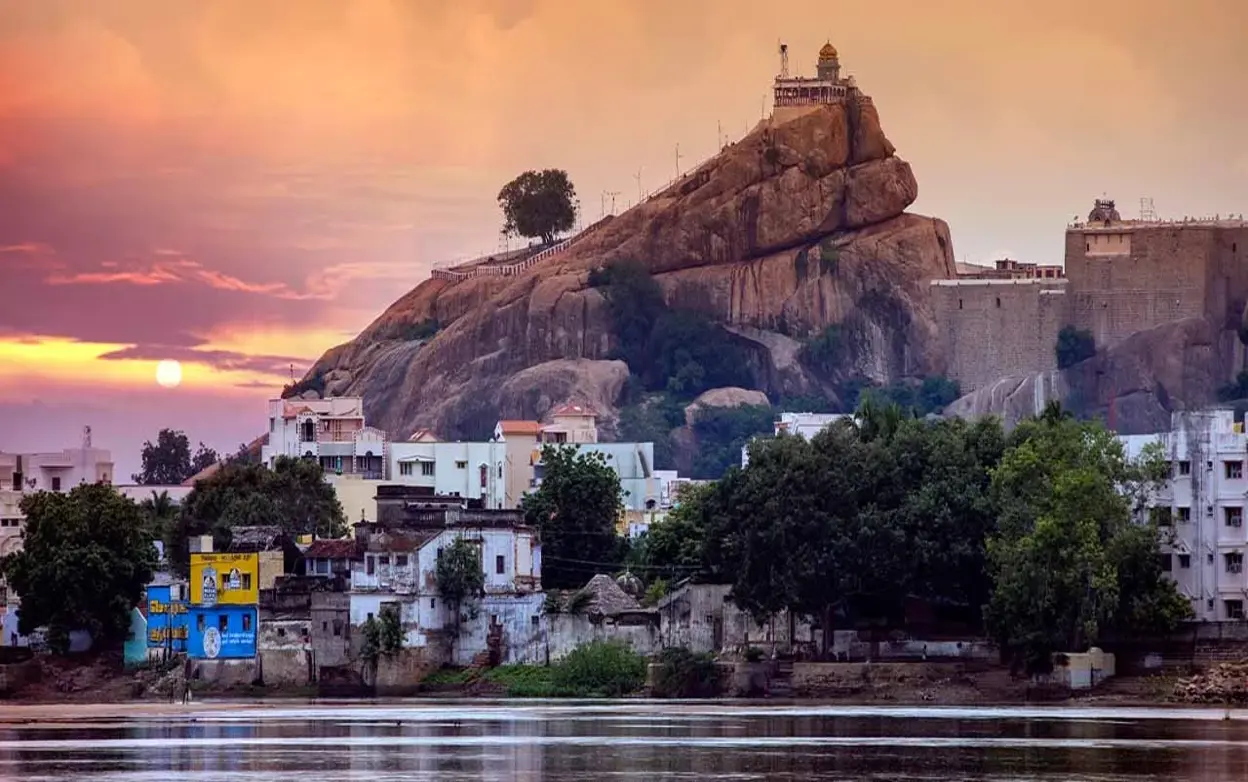
Malaikottai Temple
Historic fort and temple complex perched atop a massive rock formation.
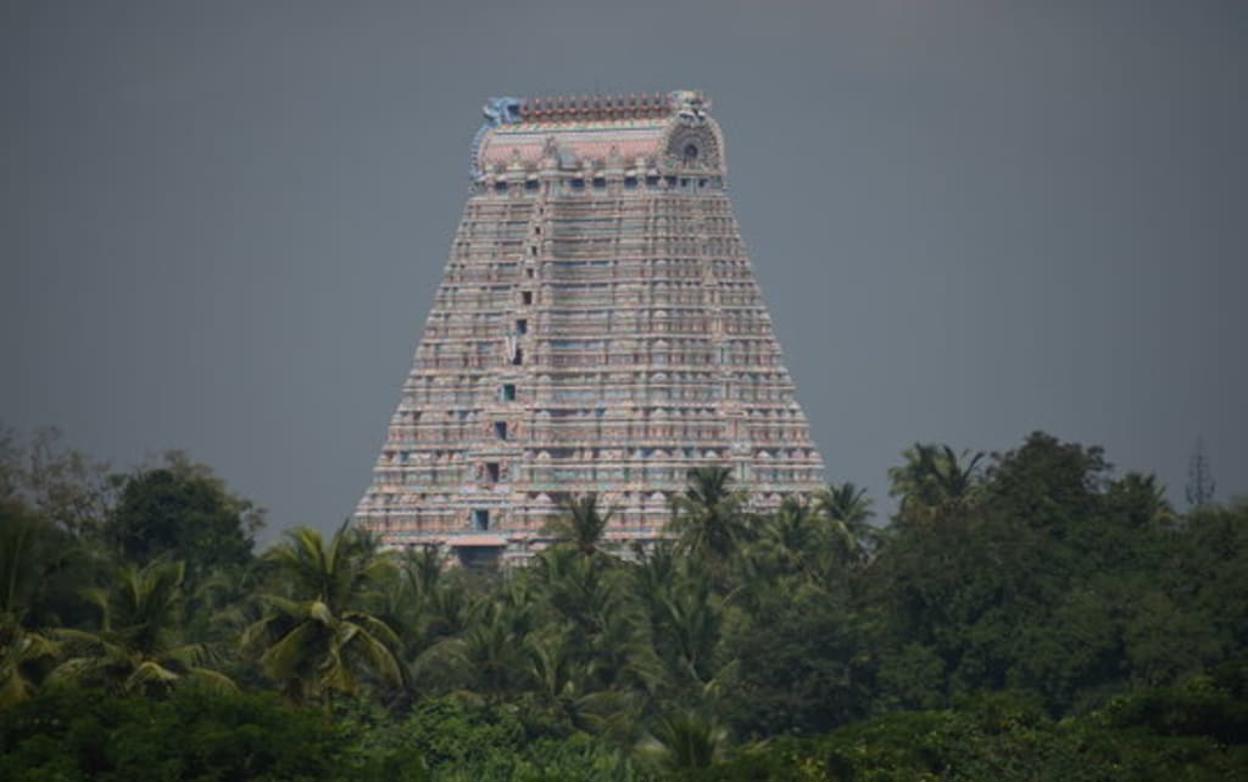
Sri Ranganathaswamy Temple
One of the largest functioning Hindu temples, dedicated to Lord Ranganatha (a reclining form of Vishnu).
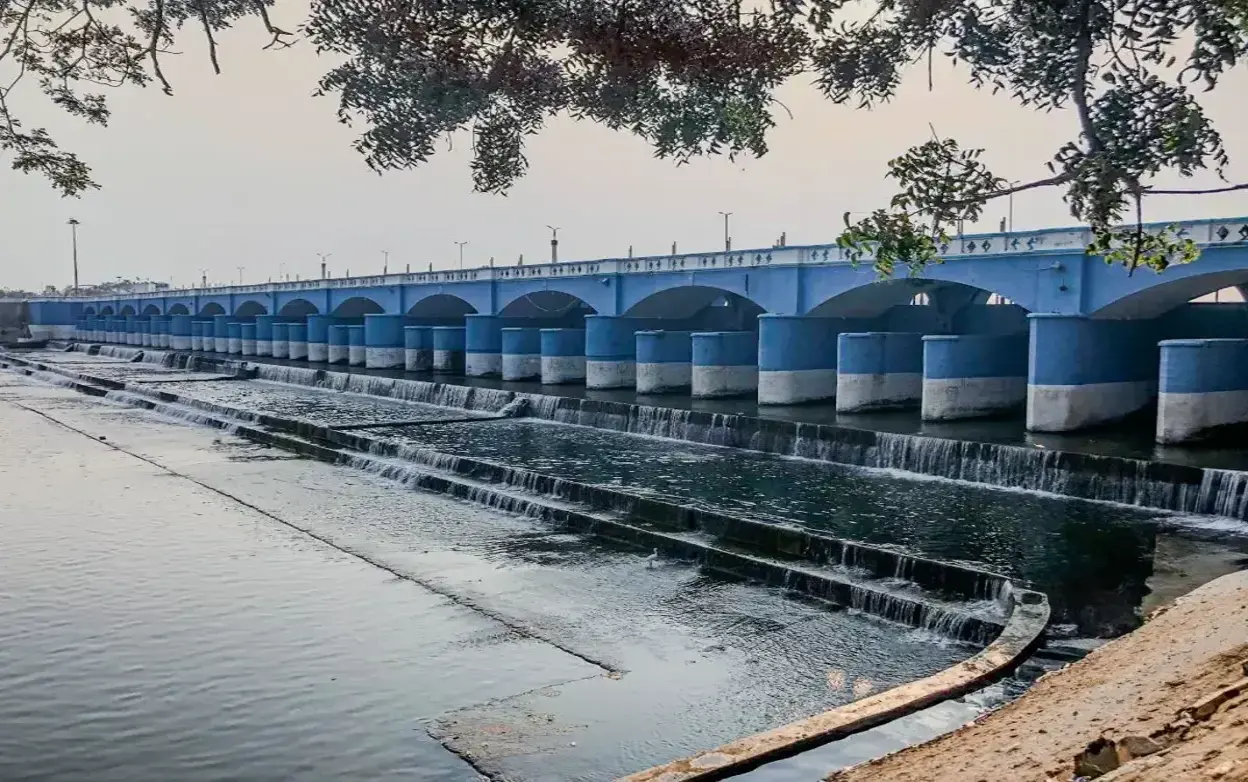
Kallanai Dam (Grand Anicut)
A Timeless Wonder Every Tourist Must Visit in Tamil Nadu. One of the oldest functioning water diversion structures in the world, built across the Kaveri River.
 Translate