Tropical Butterfly Conservatory, Trichy
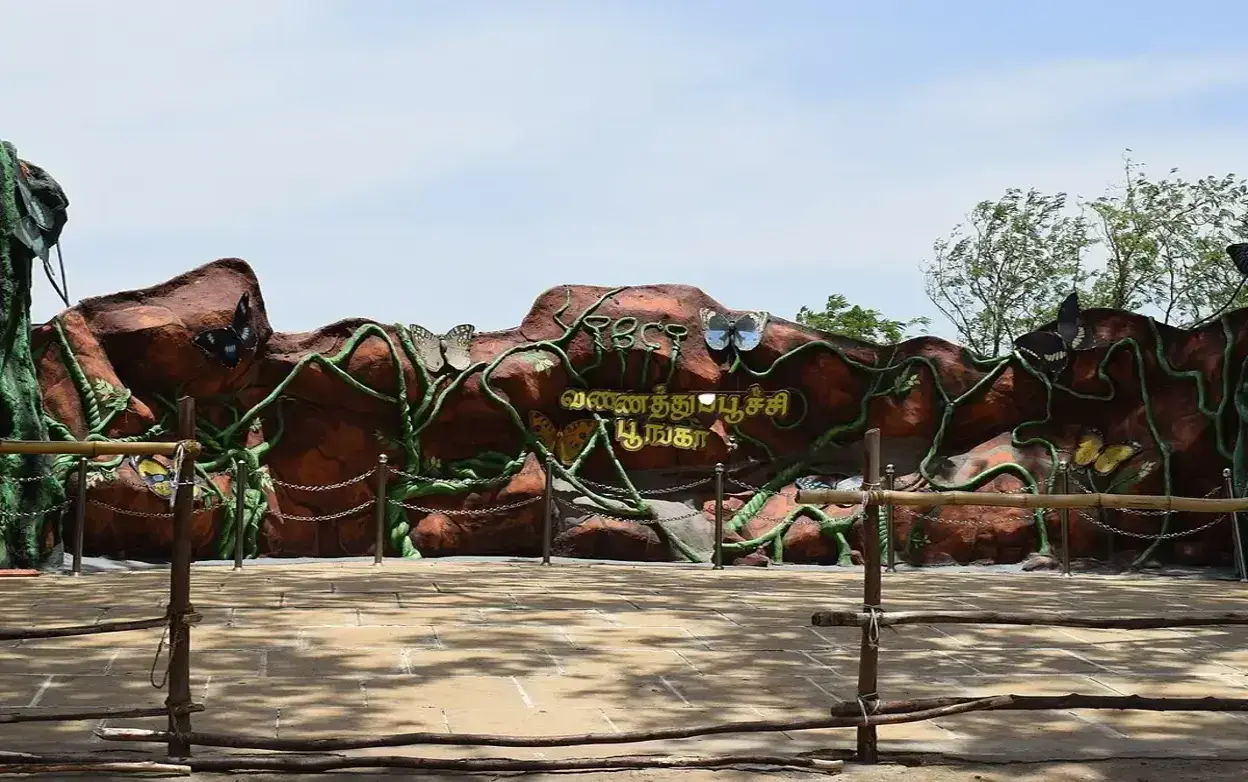
A vast conservatory dedicated to the preservation and exhibition of various butterfly species.
About this Place
Introduction: Asia's Largest Butterfly Park Sanctuary
Situated in Srirangam, approximately 15 kilometers (a 30-minute drive) north of central Tiruchirappalli (Trichy), Tamil Nadu, the Tropical Butterfly Conservatory Trichy is a world-class eco-tourism destination and conservation reserve. Spanning an expansive 25 acres within the reserved forest area of Srirangam between the Kaveri and Kollidam rivers, it is celebrated as the largest butterfly park in Asia.
Established by the Tamil Nadu Forest Department to promote biodiversity conservation, nature education, and ecosystem protection, the sanctuary features a massive climate-controlled glass conservatory dome, landscaped host-plant gardens, artificial waterfalls, and breeding ecosystems designed to house over 100 species of tropical butterflies.
Key Attractions & Eco Highlights
The conservatory complex comprises specialized indoor and outdoor bio-zones:
1. The Climate-Controlled Glass Conservatory House
The architectural centerpiece of the sanctuary—a large greenhouse dome designed with artificial humidity controls, indoor waterfalls, micro-sprinklers, and nectar plants. Visitors walk through indoor pathways surrounded by hundreds of free-flying, colorful butterfly species feeding on nectar flowers.
2. Outdoor Host & Nectar Gardens
The 25-acre outdoor complex features meticulously curated botanical gardens planted with specialized larval host plants and nectar-producing flora (such as Lantana, Ixora, and Hibiscus) to attract naturally occurring local and migratory butterfly populations.
3. Nakshatra Vanam (Star Forest) & Herbal Gardens
A themed garden section planted with 27 specific tree species corresponding to the 27 *Nakshatras* (birth stars) of traditional Indian astrology, alongside educational medicinal herb plots and butterfly life-cycle displays.
4. Artificial Waterfalls & Amphitheater
Landscaped water bodies, cascading artificial waterfalls, koi ponds, and an open-air theater used for educational film screenings, nature awareness talks, and school field trips.
Key Highlights & Attraction Summary
- 25-Acre Eco-Park: Asia's largest butterfly conservatory and forest bio-reserve.
- Glasshouse Conservatory: Climate-controlled indoor dome featuring free-flying tropical butterflies.
- Nakshatra Vanam: Astrological star-tree garden featuring 27 native botanical species.
- Education & Breeding Center: Interactive exhibits on butterfly metamorphism and conservation.
How to Reach Tropical Butterfly Conservatory
Located in Melur near Srirangam in Trichy, easily accessible by road.
By Car, Auto-Rickshaw, or Private Taxi
Driving from Trichy city center or Chatram Bus Stand takes about 25 to 30 minutes (approx. 15 km) via Srirangam and Melur Road. Auto-rickshaws and taxis provide easy round-trip transport.
By Local City Bus
Government city buses operating toward Srirangam and Melur depart regularly from **Chatram Bus Stand** and **Tiruchirappalli Junction**, dropping visitors near the park entrance gates.
Best Time to Visit
Operating hours, butterfly activity patterns, and seasonal weather govern optimal planning.
Opening Hours & Weekly Closure
The sanctuary is open to visitors daily from **09:00 AM to 05:00 PM** (Ticket counter closes around 04:30 PM). *Note: The park is strictly CLOSED every Tuesday for maintenance and conservation care.*
Optimal Visiting Strategy
The best season to visit is during the post-monsoon and cooler months from **November to March**, when butterfly populations are at their peak density and activity. Within the day, visit between **09:30 AM and 11:30 AM**, as butterflies are most active in warm, bright morning sunlight while feeding on nectar.
Things to Do at the Butterfly Park
- Walk Inside the Glasshouse Dome: Observe vibrant free-flying butterflies up close inside the tropical conservatory.
- Explore Nakshatra Vanam: Find your birth-star tree species and learn about native Tamil flora.
- Photograph Native Butterflies: Capture macro photos of species like the Common Mormon, Lime Butterfly, and Southern Birdwing.
- Enjoy Family Garden Walks: Stroll along paved pathways, cross ornamental footbridges, and relax near artificial waterfalls.
Local Food and Culinary Options
The entrance plaza features basic snack counters, fruit stalls, and quick-bite kiosks.
Must-Try Culinary Options Nearby
- Fresh Fruit Smoothies & Tender Coconut: Chilled fresh coconut water and seasonal fruit juices sold near the park entrance.
- South Indian Vegetarian Meals: Traditional tiffin items, mini-meals, and filter coffee available at nearby restaurants in Srirangam town.
Budget Travel Guide & Admission Fees
- Admission Ticket Fares: Entrance fee is **₹10 to ₹20 per adult** and **₹5 per child** (minimal camera fees apply for professional gear).
- Inexpensive Transport: Local city buses from Chatram Bus Stand cost under ₹20 per ticket.
Essential Rules and Visitor Guidelines
- Do Not Touch Butterflies: Visitors must never touch, catch, or disturb butterflies, caterpillars, or floral host plants.
- Stay on Designated Paths: Walk strictly along paved footpaths to protect delicate larval host plants and breeding grounds.
- Tuesday Closed Notice: Plan around weekly closures—the park does not open on Tuesdays.
Frequently Asked Questions (FAQs)
1. Where is the Tropical Butterfly Conservatory located?
It is located at Melur, near Srirangam in Tiruchirappalli (Trichy), Tamil Nadu, India.
2. What are the operating hours and closed days?
Open daily from **09:00 AM to 05:00 PM**. Closed every **Tuesday**.
3. How large is the sanctuary?
It spans **25 acres**, making it the largest butterfly park in Asia.
4. What is the entrance fee?
Entry fees are minimal—approximately **₹10 to ₹20 per adult**.
5. What is the best time of day to see butterflies?
Morning hours between **09:30 AM and 11:30 AM** offer peak butterfly flight and feeding activity.
6. How long does a visit take?
A typical visit takes **1.5 to 2.5 hours** to explore the glasshouse, gardens, and exhibits.
Conclusion
The Tropical Butterfly Conservatory Trichy stands out as Asia's ultimate butterfly haven and eco-tourism sanctuary, where 25 acres of lush host gardens, climate-controlled glasshouses, Nakshatra star forests, and educational waterfalls converge in Srirangam. From watching free-flying tropical butterflies up close to exploring serene botanical pathways and family parklands, the conservatory delivers an unmissable eco-adventure. Check opening times, visit on a bright sunny morning, and explore the Tropical Butterfly Conservatory Trichy!
Photo Gallery

Visitor Information
Opening Hours
9:00 AM - 5:00 PM, Daily except Tuesday
Entry Fee
₹20 for adults, ₹10 for children
Location
Srirangam, Tiruchirappalli, Tamil Nadu, India
Contact
+91 431-243-1122
Frequently Asked Questions
Everything you need to know about visiting Tropical Butterfly Conservatory, Trichy
 Translate