Exploring Rockfort Temple and Its History
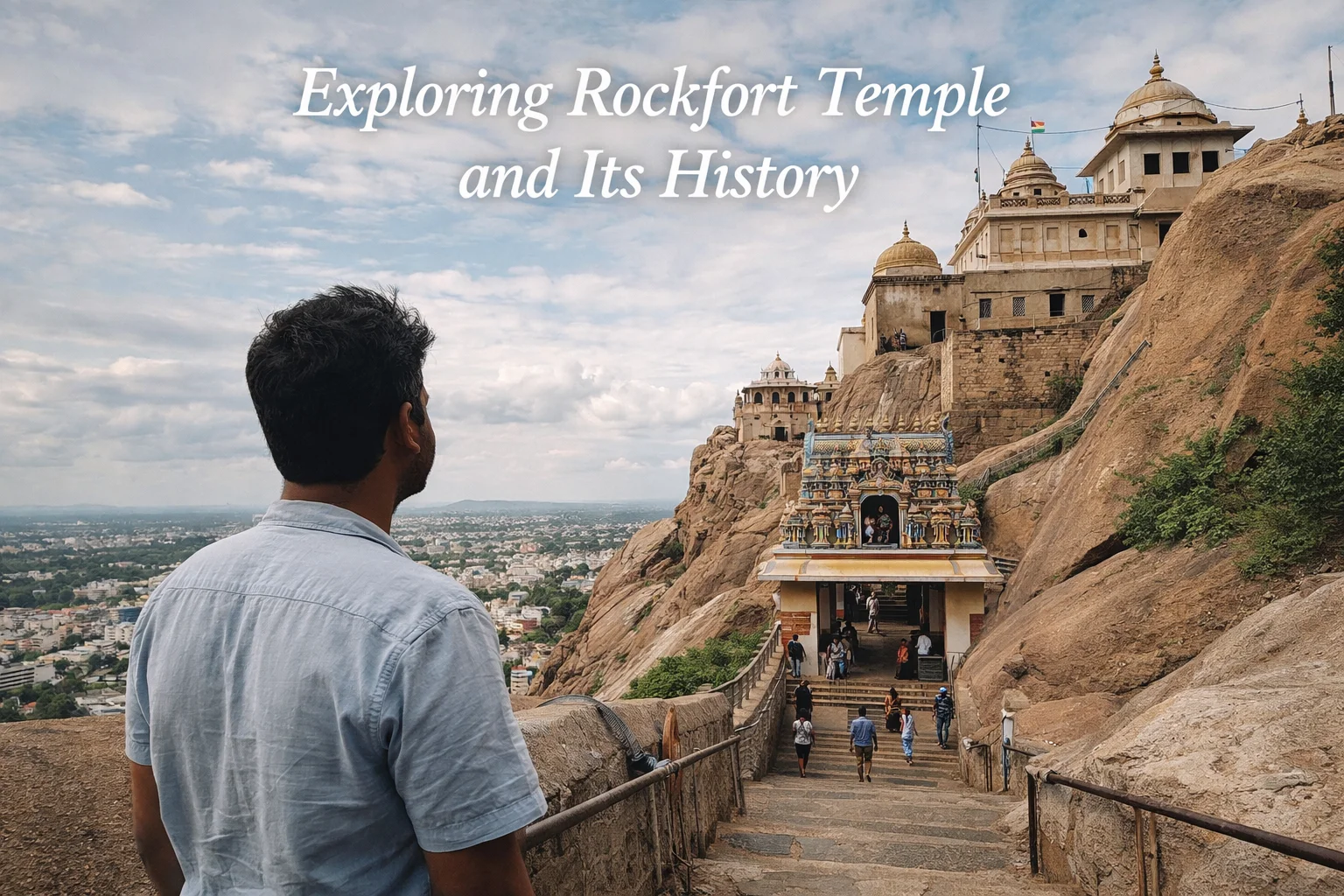
Exploring Rockfort Temple and Its History: Trichy’s Ancient Sentinel
Rising abruptly from the flat, fertile plains of the Kaveri River, the Tiruchirappalli Rockfort—locally known as Malaikottai—is impossible to ignore. For the American traveler venturing through Tamil Nadu, this massive geological marvel serves as a compass point, visible from almost anywhere in the city. But the Rockfort is much more than a scenic viewpoint; it is a 3.8-billion-year-old monolith crowned with ancient shrines and layered with centuries of bloody military history.
To put its age into perspective, the rock itself is older than the Himalayas, the Alps, and even the planet's earliest multicellular life. Human civilization, however, has spent the last 1,500 years carving, fortifying, and worshipping upon it. Exploring the Rockfort is a physical and historical journey that perfectly encapsulates the complex, layered soul of South India.
A Timeline Carved in Stone
The history of the Rockfort is a parade of South India's greatest empires and colonial powers.
1. The Pallavas and the Early Caves (6th Century)
The earliest architectural interventions began with the Pallava dynasty. They carved beautiful rock-cut cave temples into the southern face of the monolith. These caves feature exquisite bas-relief sculptures of Lord Shiva and other deities, marking the beginning of the rock's sacred legacy.
2. The Nayak Fortification (16th-17th Century)
While the early dynasties built shrines, it was the Madurai Nayaks who realized the strategic brilliance of the rock. They heavily fortified it, constructing massive defensive walls and laying out the city of Trichy around its base. They are also responsible for constructing the primary 437 stone steps that visitors still climb today, as well as expanding the massive Thayumanavaswamy Temple halfway up the rock.
3. The Carnatic Wars (18th Century)
For history buffs, the Rockfort is famous as the epicenter of the Carnatic Wars. In the 1700s, it served as a critical stronghold for the British East India Company during their fierce battles against the French. The famed British commander Robert Clive lived at the base of the rock, and the fort's impregnable nature played a pivotal role in establishing British dominance in southern India.
The Sacred Ascent: Three Temples, One Rock
Today, the military cannons are gone, and the rock has returned to its spiritual roots. The ascent is a pilgrimage that takes you through three distinct temples.
- Manikka Vinayagar Temple: Located at the very base of the hill, this shrine is dedicated to Lord Ganesha. Devotees pray here for a safe and successful climb before tackling the steps.
- Thayumanavaswamy Temple: Situated halfway up the rock, this massive, cavernous temple is dedicated to Lord Shiva. According to legend, Shiva took the form of a mother here to help a pregnant devotee deliver her child during a massive flood. The architecture is stunning, featuring Nayak-era pillared halls carved directly into the bedrock.
- Ucchi Pillayar Temple: The grand finale. Perched precariously at the absolute summit, this small shrine to Ganesha offers a breathtaking, 360-degree panoramic view of Trichy, the Kaveri River, and the sprawling Srirangam Temple complex in the distance.
Practical 'Know Before You Go' for US Travelers
- The 437 Steps: There are no elevators. The climb is steep but broken up by shaded landings. You must walk barefoot, which is a major challenge under the midday sun. Pro Tip: Bring a thick pair of socks to protect your feet from the hot granite, and start your climb at 6:30 AM or after 4:30 PM.
- Dress Code: Standard Hindu temple etiquette applies. Modest clothing is strictly required. Men should wear long pants, and women must ensure their shoulders and knees are completely covered.
- Hydration and Monkeys: Carry bottled water, but keep it safely tucked in a backpack. The rock is home to troops of mischievous Bonnet Macaques who will expertly snatch food, water bottles, and sunglasses right out of your hands.
Frequently Asked Questions (FAQ)
How difficult is the climb to the top of the Rockfort?
The climb consists of 437 stone steps. It is considered moderately challenging. Because the steps are enclosed for the first half of the journey, it is well-shaded, but the final ascent is exposed. Anyone with average mobility can make it by taking frequent rests.
Can non-Hindus enter the temples on the rock?
Yes! Non-Hindus are welcome to climb the rock, enjoy the panoramic views from the summit, and explore the outer architecture of the Thayumanavaswamy and Ucchi Pillayar temples. Entry into the innermost sanctums, however, is restricted to practicing Hindus.
Is there an admission fee?
The entry fee is incredibly nominal (a few Indian Rupees). There is a separate, small charge for leaving your shoes at the base and an additional camera fee if you wish to take photographs during the ascent.
How much time should I allocate for this visit?
Plan for about 1.5 to 2 hours. This provides ample time to climb the steps at a leisurely pace, admire the halfway Shiva temple, and spend 20 to 30 minutes at the summit taking photos of the city skyline.
For official visitor guidelines and historical documentation, visit the Official Tiruchirappalli District Portal.
Related Tourist Destinations in Trichy
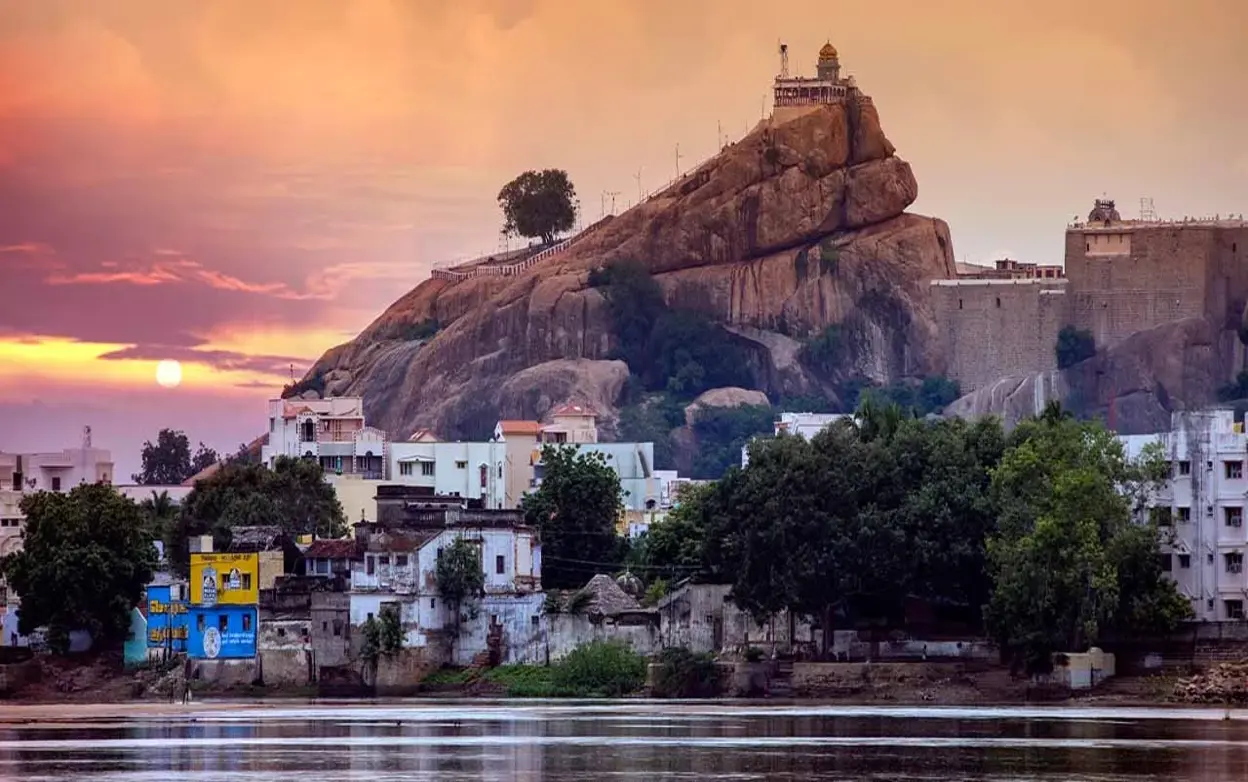
Malaikottai Temple
Historic fort and temple complex perched atop a massive rock formation.
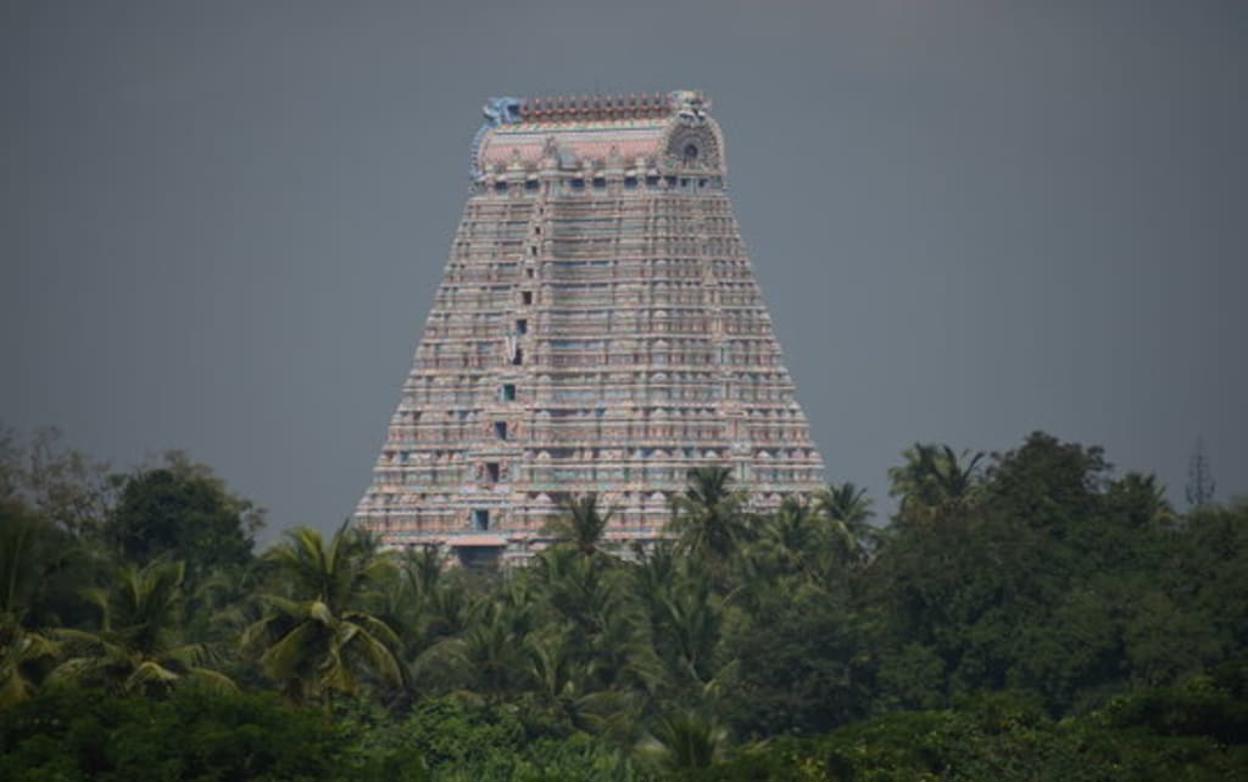
Sri Ranganathaswamy Temple
One of the largest functioning Hindu temples, dedicated to Lord Ranganatha (a reclining form of Vishnu).
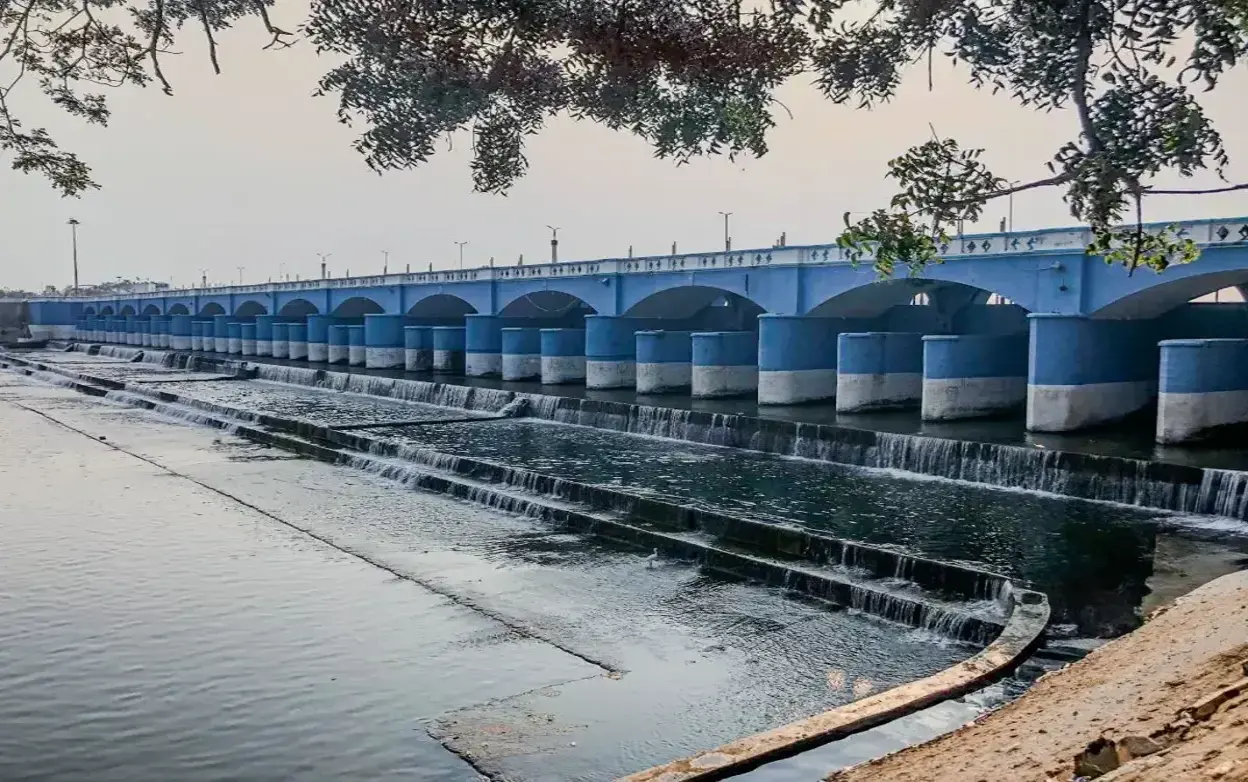
Kallanai Dam (Grand Anicut)
A Timeless Wonder Every Tourist Must Visit in Tamil Nadu. One of the oldest functioning water diversion structures in the world, built across the Kaveri River.
 Translate